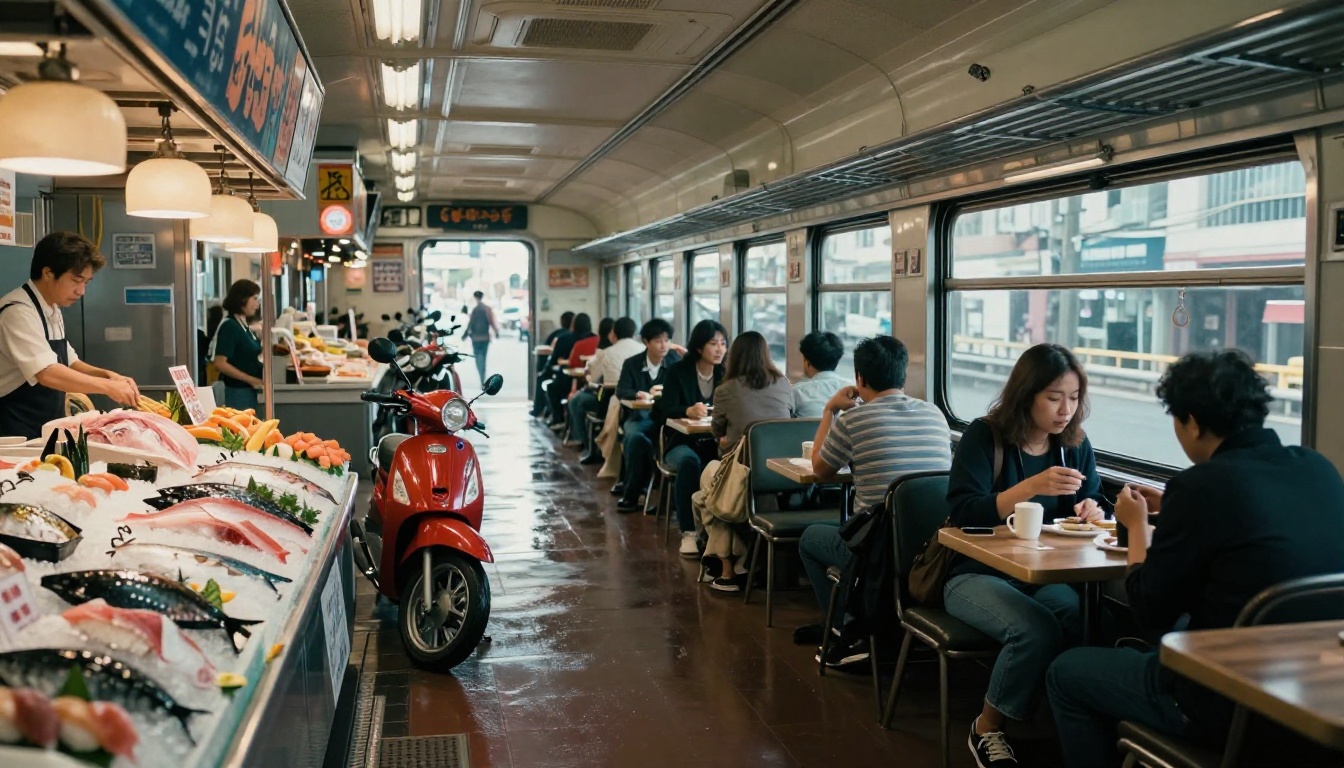
You land in Japan, and the first thing you notice is the smell of raw fish near the market, plus the quiet confidence of locals who seem to eat it without blinking. Then, a week later in Vietnam, the street noise hits you again, scooters packed in every lane and crossing a mix of honks and quick hand signals. That disorienting feeling is culture shock, when everyday routines abroad suddenly feel strange, not wrong, just unfamiliar.
Most people run into it around food, social norms, transportation, and personal space, and you can see why. Travelers in 2025 to 2026 also keep chasing wellness and food-focused trips (think retreats and farm-to-table stays), so these differences show up faster when you’re out exploring. Most culture shocks fade in a few days, then turn into stories you can actually laugh about. Next, let’s look at the most common food shock and how you can handle it without stress.
Food Surprises That Make Your Stomach Flip and How to Start Enjoying Them
Food shocks hit hard because your senses don’t just “taste” in one lane. They also read smell, texture, and temperature. When you land somewhere new, your brain plays catch-up, so even familiar staples can feel off. In 2026, that’s extra true because more travelers chase food tours that pair local bites with wellness habits like mindful eating and nature walks. Suddenly, the odd thing on your plate becomes part of a bigger routine.
In Japan, for example, sashimi can look nothing like what you expect. The fish often sits in neat slices, translucent and glossy, like it belongs in a museum. If you’re used to cooked food, raw fish texture feels like a curveball. Still, sashimi fits right into the wellness trend of clean protein and slow, mindful eating. If you want a comfort check before you try it, read about how people approach raw fish in Japan in a sashimi enjoyment guide for tourists. Also, if safety worries pop up, the quick facts in this sashimi safety overview can help you feel grounded.
Next, Vietnam can feel intense in a different way. Soups like pho arrive steaming, and the aroma hits before the first sip. Herbs, broth, and charred notes can smell bold, even loud, especially at early-morning stalls. Meanwhile, you might spot unfamiliar fillings that make you pause. The goal is adventure, not survival. You’re training your nose to recognize “comfort” in a new flavor mix. That sensory rush is exactly why Vietnam food tours keep growing, and you can see the street-food energy described in a Vietnam street food culture story.
Then there’s Egypt and Jordan, where spices can feel like you walked into a warm, aromatic storm. Dishes use cumin, turmeric, saffron, and more in generous layers, so the smell can overwhelm at first. Yet this is also where wellness trends get real. Many travelers come back wanting those flavors again because spices often add depth without extra heaviness. If you want a health-minded angle on spices, start with this overview of spice health and immunity benefits.

And if you’re thinking, “What if I hate it?” That’s normal. Your first bite is just the start of a new map in your brain. One expat win story often goes like this: I once refused the first small forkful of a new dish, then tried one bite from my friend’s plate after lunch got quieter. By day two, I wasn’t negotiating with myself anymore. I was ordering it.
The shift happens when you stop treating food like a test and start treating it like a guided tour for your senses.
- Try one small item first at markets, so you keep control.
- Ask locals for a beginner pick, then trust their “mild.”
- Share plates on tours, so you sample more without fear.
- Journal your likes and dislikes (one line each), so you learn fast.
- Pack a backup snack like nuts, just in case you need a calm reset.
- Visit supermarkets once or twice. It’s a low-stress way to learn flavors before you face street stalls.
With each trip, your confidence grows. Eventually, the same “stomach flip” turns into the moment you say, “Oh, I get it now.”
Top Food Examples from Hot 2026 Destinations
In 2026, several food destinations are pulling travelers in for the exact kind of sensory surprise that can spark culture shock. You might feel weird for a minute, but that first awkward moment often becomes the memory you tell later. The trick is to see each shock as a clue, not a warning.

Start with Japan. Owase City, for instance, is a favorite on travel lists for simple sushi experiences that feel both local and calm. You might order sashimi at a tiny stand, then stare at the slices like they are too clean to touch. However, the experience can also feel like wellness in food form. Ryokans and seaside meals often focus on seasonal ingredients and gentle pacing, so raw fish becomes a “slow down” signal rather than a shock.
Then head to Vietnam, where street soup can feel like a full-body moment. Pho can smell intense because broth and herbs mix fast. Some people expect bland comfort, yet the first sip brings a bold, layered punch. Meanwhile, street vendors keep options practical. You can start with the safest bowl, then branch out to herbs, sides, and less-familiar fillings as you get more confident.
Finally, consider Egypt and Jordan. Spices can look like art and smell like a warm inhalation. You might feel overwhelmed when a dish arrives richly spiced or when you catch a strong scent at a market. Still, you can lean into the wellness angle here. Spices bring flavor depth that often helps meals feel satisfying without needing heavy extras. When you focus on scent first, the taste usually follows.

One more reason these food shocks fit today’s travel style: more people now plan trips around food tours and nature-friendly wellness. Southeast Asia remains a top pick for guided walks and market tastings, while Japan continues to trend for clean, ingredient-focused meals. When your trip is built for food, your nervous system learns that “surprise” can also be safe and fun.
Still, if you want this to feel enjoyable instead of stressful, you need a simple plan. That’s where the next steps come in.
Step-by-Step Tips to Taste Without Panic
You don’t need courage like a movie character. You need a repeatable method. When you follow a few steps, your brain stops panicking and starts learning.
- Watch first, then copy lightly. Before you order, stand near the stall and observe. Notice what locals pick first, then follow their pace.
- Ask for beginner-friendly options. Try a phrase like “What’s mild?” (or ask your tour guide). If you can, point to something simple on the menu.
- Start with one small item. At a market, choose a bite-sized snack, then eat it slowly. You’re training your senses, not rushing into a full meal.
- Share plates on tours. Splitting food reduces risk. It also lets you try flavors you’d skip alone.
- Journal your reaction, even if it’s brief. Write one line like “smells strong, taste grew on me.” Over time, this helps you spot patterns.

Also, keep patience in your back pocket. In the first hour, your senses might feel like a crowded room. After that, your brain adjusts. It’s like turning down the volume on a song you initially dislike.
Finally, bring a small “backup plan” so you never feel trapped. Nuts, crackers, or a familiar snack can calm you fast. If the first dish surprises you in the wrong way, you can take a breath and try again later. Confidence builds one bite at a time, and soon those “flips” become part of the fun.
Social Norms That Confuse You at First and Tricks to Fit Right In
The weird part of social culture shock is that it happens fast. One moment you feel confident, then a greeting, a price chat, or a seating choice lands wrong. You might not even notice what went off, until someone looks at you like you missed an invisible rule.
Most of the time, you are not “being rude.” You are just running an old script. The good news? New scripts are easy once you learn what local people expect in everyday moments.
Everyday Interactions That Feel Off Abroad
Japan (bowing) can feel like you walked into slow motion. A shopkeeper bows, and you are unsure if you should bow back. In many cases, a small, respectful nod is enough, especially since shaking hands is not the default. If you want a simple refresher before you try it, use Japan Guide’s bowing etiquette basics. In practice, copy the angle lightly, then stop. Don’t hold the bow too long, and don’t overdo it.

Jordan and Egypt (haggling) can also surprise you. In some markets, not bargaining can signal you think the seller is “doing you a favor.” Sellers may expect banter, even if you end up paying a fair price. So how do you join without panic? Smile, ask the price, and be ready to counter once. For context on how bargaining works (and when it matters), check should you haggle in Egypt?. Also, remember one key trick: if you say “no” politely and keep the tone friendly, it usually stays friendly.
Prague (loud cafes and space) can feel like you’re interrupting people, even when they are just being social. If locals talk loudly and sit close to friends, treat it as normal city life, not a personal judgment. You can also follow their lead on seating distance, especially in crowded coffee spots and public transport. If you want a grounded look at why Prague cafes feel so communal, see Prague Café Culture and social space.
When you mess up, use “sorry” as a pressure valve. A quick apology and a smile can reset the moment before it grows awkward. Many expats learn this fast, because it turns confusion into warmth.
Quick Ways to Learn and Adapt Social Cues
You learn social norms best when you behave like a careful mimic. Start by watching first, then copy one small thing only. Keep your body language calm. If you change three habits at once, you lose track of what worked.
Here are quick, practical tools that work in real life:
- Copy the pace, not perfection: If they speak fast, match the rhythm. If they keep quiet, lower your voice.
- Use phrase apps for the basics: Learn five words you will actually use, like “thank you” and “how much.” Then keep them ready.
- Practice with tours: Free walking tours teach group timing and how people ask questions. You also get a built-in chance to laugh at errors.
- Join the room instead of hiding in it: If a cafe is chatty, smile and let the conversation move past you.
- Say sorry fast: In most places, a simple apology clears tension better than an awkward explanation.
If you want to feel confident fast, focus on one goal per interaction. Today, bow correctly. Next time, ask the price. After that, match the noise level. Small wins stack quickly, and suddenly the “hidden rules” stop feeling hidden.
Transportation Headaches You Can Dodge with Smart Prep
Even if you planned every stop, transport can still throw curveballs. One day you’re confident, then you hit rush-hour crush, unclear routes, or taxis that don’t play by your rules. The good news? Most of these headaches are predictable. A little prep turns chaos into a manageable routine.
Real Traffic and Transit Surprises in Popular Spots
Some places move like a system. Others move like a living thing. Vietnam often feels like the second option. In Hanoi or Ho Chi Minh City, scooters flood the road, and lanes seem more like suggestions. Then, you try to cross, and suddenly you’re timing your steps between fast and slow streams.
Japan, meanwhile, can feel like the opposite problem. Trains run so well that the crowd feels “efficient,” but it’s still packed shoulder-to-shoulder. You might line up like it’s organized, then the doors open and everyone slides in with calm focus. It’s smooth, yet overwhelming, especially when you have a big bag.
Prague adds a third vibe. Trams and stops can look simple on a map, then reality hits during peak hour. You squeeze in, you find a spot near the rail, and you watch doors close before you finish deciding where to stand. People move with purpose, but the space stays tight.
Finally, Egypt can shift your stress from crowds to negotiations. In cities like Cairo, taxis can feel chaotic because meters may not exist (or may not be trusted). You often need to agree on the fare before you get in, and you need to do it fast without sounding tense. If you want a tourist-focused overview of getting around, start with Egypt transportation tips and options. For ride apps and taxi guidance, how to use ride apps in Egypt helps you feel less stuck.
Here’s the quick mental model that keeps you calm: treat transport like weather. You can’t control it, but you can plan for it.

Also, remember the recent surge in Asia and parts of Europe travel demand. More visitors means more crowding, tighter schedules, and more last-minute scrambling. When you know that’s coming, you prep differently, not harder.
A simple way to dodge the worst moments is to plan around “peak pressure.” Aim for mornings for trains and afternoons for sightseeing. If you miss the window, don’t fight it. Adjust your plan, buy time with a pass, or switch to an app-first route.

Apps and Habits for Smooth Rides Everywhere
Apps don’t just show routes. They help you make decisions faster, especially when you feel rushed. That matters most when you hit tight crowds or confusing transfers. Start by installing the right tools before your first busy day.
For Vietnam, Grab is a go-to for rides, and it can save you from the hassle of finding the right option on the street. In Japan, use transit planners and schedules like Hyperdia (or similar tools) plus your IC card plan. For Prague, PID Lítačka works well for routes and live information.
If you want a Prague-specific starting point, check Prague’s PID Lítačka public transport guide. That way, you’re not guessing which tram fits your day.

Now for habits. These are small choices that prevent big stress.
First, buy and validate passes early when a city offers them. Passes can save time because you skip ticket confusion and machine hunting. It also helps you avoid short lines when everyone else arrives at the same time.
Second, use a “stand-back rule” in crowds. Before you enter a train or tram, step back for one minute and watch the flow. Then move with it. That’s how you avoid getting shoved and how you avoid losing your balance.
Third, breathe on purpose. Seriously. When you feel your shoulders climb, slow your breathing for five counts. Crowds can act like a wave, and your body needs time to settle into the rhythm.
Here are smart prep moves that work across Vietnam, Japan, Prague, and Egypt:
- Download offline maps before you leave your hotel, because stations don’t always have strong signal.
- Set pickup rules for rides (meeting point, time buffer) so you avoid street chaos.
- Agree fares first in taxi situations where meters aren’t reliable, especially in Egypt.
- Choose one main route app and one backup, so you never freeze with too many options.
- Keep a small “transport kit”: water, a snack, earplugs, and a charger cable.
Finally, for Egypt airport rides, it helps to book through a reliable app option. For Cairo International Airport taxi requests through Uber, see Uber’s Cairo airport taxi page. When you plan that part, the rest of your day feels simpler.
With smart prep, you stop treating transport like a test. Instead, you treat it like a routine you can repeat.
Personal Space Clashes That Feel Invasive and Ways to Stay Zen
Personal space is one of those things we don’t think about until it disappears. One day you’re walking through a place like you always do. The next day, shoulders brush, elbows get squeezed, and your body reacts like it’s under attack. That jolt can happen fast in Japan trains, Vietnam streets, Egypt markets, and Prague cafes.
It helps to remember this simple idea: what feels “invasive” to you might be a local “normal.” In crowded areas, people often act like their bodies are part of a moving crowd wave. You are not the problem, but your comfort needs a strategy.
Where Crowds Get Too Close for Comfort
In Japan, packed trains can feel oddly intense because they look controlled, yet your space gets tight. You might notice the quiet rule first. Then, you feel it when someone shifts, turns, and your shoulder makes contact. That micro-touch adds up, even when no one looks hostile.
If you want real-life context on what that feels like, see The Japan Times on crowded-space behavior. You’ll spot the same themes travelers mention: constant proximity, careful movement, and a strong sense of “don’t make it worse.”

Meanwhile, Vietnam streets can feel more chaotic, not just crowded. Even when people are trying to get by, scooters and foot traffic create constant near-misses. You might step forward to look at a sign, then suddenly you’re squeezed between streams. It’s like walking through a busy river where the current keeps changing.
In Egypt souqs, the contact can feel even more personal. Alleys run narrow, stalls reach outward, and shoppers move shoulder-first. You might catch fabric brushing your arm, or a vendor’s hand gesture landing close to your body. Often, it’s not meant to be rude. Still, your nerves read it as “too close, too fast.”

Finally, Prague cafes can surprise you in a different way. The tables feel close, people lean in to talk, and your “bubble” shrinks because the space is designed for community. It’s easy to feel like you’re intruding when you’re just trying to sit. In peak season, crowd pressure grows, and locals have their own rhythm.
If you want a sense of how locals handle crowding, check View From Prague tips for avoiding crowds. It’s helpful because the advice focuses on timing and choice, not just “toughing it out.”
Your brain reacts to contact. Your job is to lower the alarm, not to win an argument with the crowd.
Why it feels invasive (even when it isn’t)
A good way to understand it is to think of your personal space like a phone signal. When it’s strong, you feel safe. When crowds cluster, the signal drops, and everything feels louder and closer.
So instead of telling yourself, “These people don’t care,” switch to a more accurate story: their space rules are different, and the area is built for closeness. That shift alone can reduce your tension.
Relaxation Tricks That Work in Minutes
When you feel invaded, you need fast tools. These are the same tricks you’d use before a stressful meeting. The goal is simple: calm your body first, then choose your next move.
Start with the body basics. Take a deep breath that goes lower, not just higher in your chest. Then, exhale slowly like you’re fogging a mirror. Your shoulders follow your breath, and your mind gets the message.
Next, protect your ears. Headphones can help even without loud music. Use them like “soft armor” so the space feels less aggressive. If noise is part of the problem, even light, calm audio can give your brain a steady anchor.
Then, pick a physical reset. If there’s a chance, step sideways into a doorway, a lobby edge, or an open stretch near a wall. You don’t need a lot of space. You need a brief moment to rebuild your signal.
For Egypt markets and crowded streets, use a “hand position” trick. Keep one hand relaxed near your front pocket or strap. That gives your body a clear boundary and helps you move through tight gaps without stiff panic. Also, keep your elbows close. Your posture quietly tells the crowd, “I’m moving with control.”
For Prague cafes and other sit-down spots, choose your seating like you’re designing a buffer. Look for places near the edge of the room or near a doorway. That small change reduces constant contact. If the cafe is packed, consider stepping outside for a few minutes between orders.
Here’s a quick set of minute-level tools that travelers actually stick with:
- Do one slow breath cycle before you enter a crowd.
- Turn on headphones to reduce noise pressure.
- Use a “quiet exit plan”: spot where you could step out.
- Choose parks or open squares when you feel your body clamp down.
- Tell yourself it fades fast, because most shocks do, especially once you adjust.
It also helps to treat the moment like adventure training. Think of it like crossing a narrow bridge during a festival. It’s tight, but it’s temporary. You’re not drowning, you’re passing through. Once you accept that, you stop fighting the present.
One more reality check keeps me steady: crowd discomfort usually drops after the first stretch. In Japan trains, after a few stations, you learn the “flow.” In Vietnam streets, after you time your steps, you stop getting startled. In Egypt souqs, after you watch how people squeeze through, you move with the alley, not against it.
Even crowd trends in popular cities follow the same pattern. Travel crowds spike, then people adapt. That’s true in many places, including Christchurch crowding and tourism discussions. When you expect the pressure, you can plan around it.
Your calm doesn’t have to be dramatic. Small, steady actions count. Then you can enjoy the whole trip, not just the moments where nobody touches your sleeve.
Conclusion
Culture shock shows up in different ways, but it follows a pattern. Food surprises, social rules, transit stress, and personal-space clashes all feel sharp at first because your brain expects “normal” routines. Yet you can handle them by keeping your moves small, using local cues, and giving yourself time to adjust.
If you want one strongest takeaway, it’s this: prep for the shock, then practice through it. Start with a plan you can repeat (beginner food picks, one clear transit app, a quick reset when crowds get close), and also use expat forums like Reddit or InterNations to learn what trips feel like in real life. In 2026, many travelers also start in smaller towns first, then move into bigger cities, so the adjustment happens step by step. By day three, most shocks turn into stories you can enjoy.
So take the first “weird” moment as training, not failure. Share your shock story in the comments, and subscribe for more 2026 travel hacks that help you feel at home faster.